


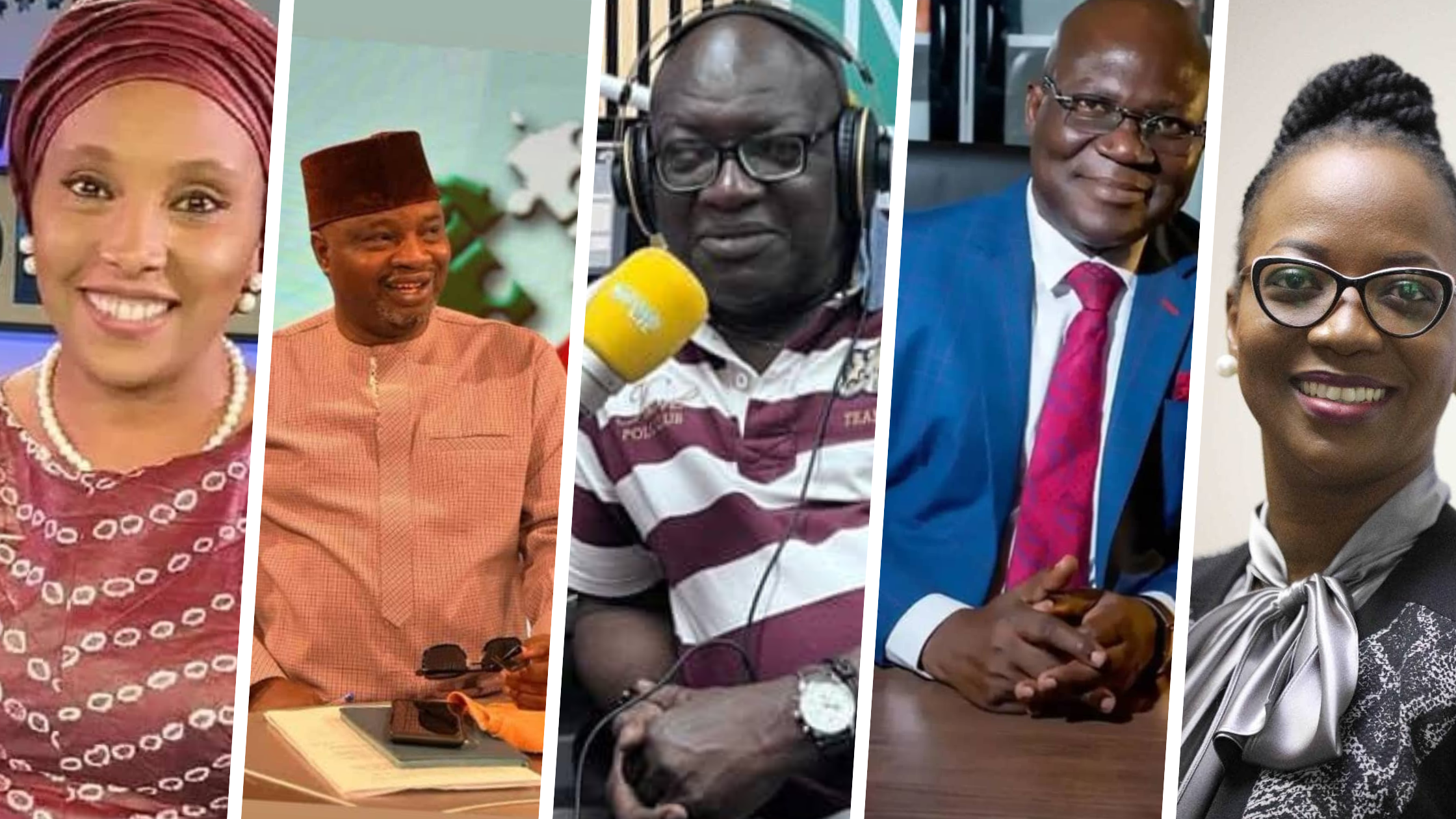
In the past decade, Nigeria’s broadcast landscape has been shaped by voices that inform, challenge, and provoke thought: journalists who go beyond headlines to define national dialogue. These are professionals whose insight, credibility, and courage have earned them the trust of viewers, policymakers, and peers alike.
In this feature, The Naija Broadcastar takes an in-depth look at ten most influential broadcast journalists, selected at random and not in any particular order. Each of these professionals has carved a unique space in the media landscape, commanding respect and shaping how the nation engages with politics, governance, and society, often on platforms that are credible, national, and influential.
From incisive interviews to high-stakes election debates, from holding power to account to mentoring the next generation, these broadcasters have earned their place at the heart of national conversation.
1) Gbenga Aruleba (AIT)
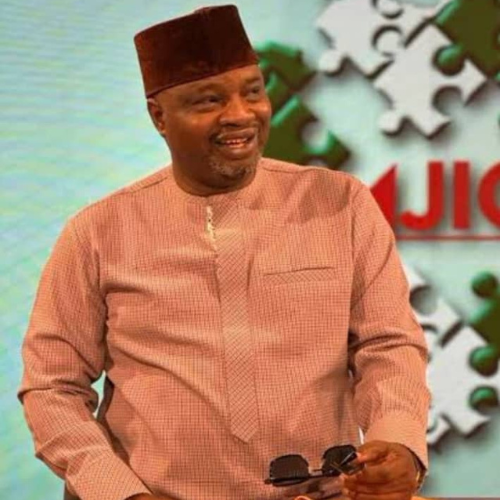
Gbenga Aruleba began his media career in 1983 at Radio Lagos, later serving as General Manager ofRayPower FM in Abuja and rising to Head of Current Affairs at DAAR Communications. With over four decades of experience across radio and television, he remains one of Nigeria’s most seasoned and respected broadcast journalists.
At a time, Aruleba’s name became synonymous with Focus Nigeria on AIT, one of Nigeria’s longest-running and most influential political talk shows: a daily, hard-hitting programme that consistently put governance, accountability, and policy debate on the national radar for over a decade. Under him, the show’s format, depth, and disciplined questioning helped elevate political interview journalism in Nigeria.
Gbenga Aruleba is among the few Nigerian journalists who have directly faced state suppression, a testament to his commitment to rigorous, fearless journalism. In 2006, he was detained and charged with sedition by the State Security Service in connection with Focus Nigeria, an incident widely documented by press freedom organisations. The charges were later dropped, but the episode cemented his reputation as a broadcaster willing to hold power accountable, no matter the risk.
After a long run on Focus Nigeria, Aruleba went on to anchor and present his own programme, JIGSAW With Gbenga Aruleba, further cementing his role as an authoritative voice in current affairs and political discourse.
His decades of experience advocating transparency, probity, and democratic accountability make him a front-runner on this list. His role in democratizing political news has been publicly acknowledged by many leading political figures in Nigeria.
2) Charles Aniagolu (ARISE News)
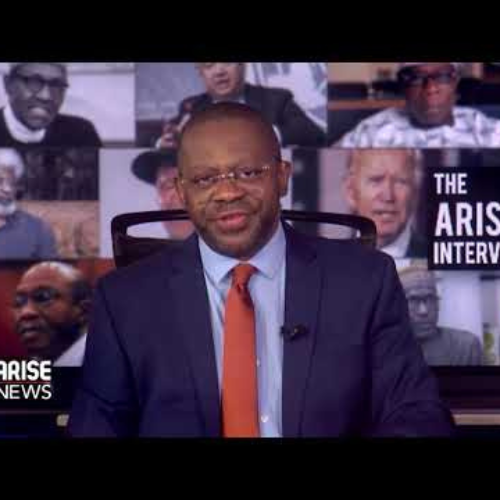
Charles Aniagolu is a broadcast journalist whose career spans decades and continents. With years of experience at BBC World Service Radio and BBC World Television, alongside roles at CNN International, Sky News, and ITN, Aniagolu brings a global perspective to Nigerian journalism that few can match. His field reporting has taken him from Northern Ireland and Austria to West Africa and Asia, covering sensitive political and social stories with precision and insight. His work has consistently bridged local Nigerian issues with global audiences, shaping both national and international understanding of critical events.
His Prime Time show on ARISE News has become a go-to forum for national leaders and decision-makers, and he also hosts a dedicated global affairs discussion programme that expands the conversation beyond Nigeria’s borders.
Aniagolu’s on-air presence combines analytical depth, eloquence, finesse, and composure, making interviews rigorous yet engaging. He has anchored live news, moderated debates, and reported from conflict zones, demonstrating versatility that few broadcasters achieve. His international exposure also informs his mentoring of younger journalists, teaching rigour, ethics, and global storytelling standards that elevate Nigeria’s media landscape.
With a reputation for integrity and excellence, Charles Aniagolu remains a benchmark for Nigerian broadcasters, proving that global experience can translate into national influence, incisive reporting, and trusted journalism.
3) Jimi Disu (Nigeria Info 97.3 FM)
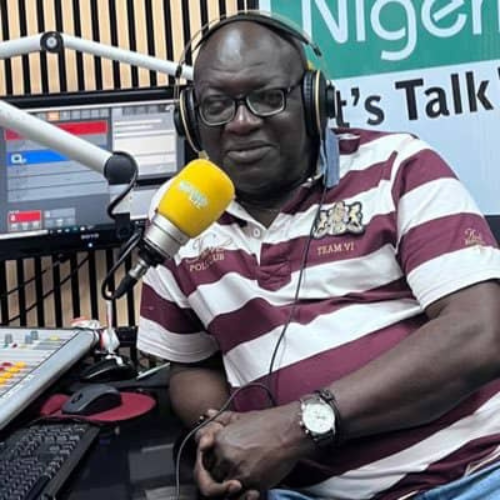
Jimi Disu, fondly called “Uncle Jimi”, is a veteran of over four decades in journalism, with experience spanning print, radio, and corporate media. Starting from reputable publications like Daily Times, The Punch, and Vanguard, he transitioned to radio, where he anchors flagship programmes on Nigeria Info FM. Across decades, he has become a trusted voice in national discourse, dissecting politics, governance, and social issues with clarity, insight, and historical perspective, influencing both public opinion and policy conversations.
What sets Uncle Jimi apart is his engaging and approachable style on air. His warmth and subtle sense of humour put audiences and guests at ease, creating a welcoming space for dialogue. Yet, he is decisively blunt when the situation demands it, asking probing questions and holding leaders accountable without sacrificing rapport. This balance of friendliness, humour, and journalistic rigour makes him a broadcaster people both respect and genuinely enjoy listening to.
In an industry obsessed with youth, Jimi Disu’s continued dominance at 70 is both exceptional and instructive. It speaks to the power of experience, institutional memory, and intellectual curiosity, qualities that cannot be hurried or replaced.
Beyond his broadcasts, Disu is a mentor to generations of journalists, guiding young talent and shaping the future of Nigerian media. His influence extends off the airwaves, through mentorship, professional networks, and thought leadership, ensuring that his voice continues to shape the national conversation while cultivating the next generation of media leaders.
4) Reuben Abati (ARISE NEWS)
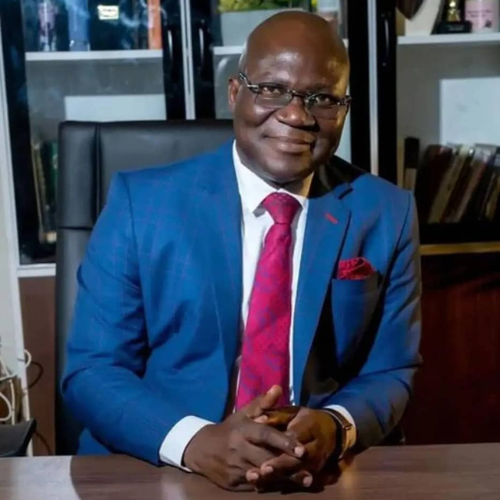
Reuben Abati is one of Nigeria’s most respected media figures, with decades of experience in print journalism that laid the foundation for his transition into broadcast media. As Chairman of the Editorial Board at The Guardian, he shaped editorial opinion on national policy, governance, and public affairs, building a reputation for insight, depth, and intellectual rigour. His move into the corridors of power as Presidential Spokesperson expanded his influence, giving him access to top policymakers and political decision-makers, a network he now brings to his broadcast work.
Abati leads a stellar cast on The Morning Show on ARISE News, where his incisive analysis and depth set the agenda for national conversations. He also anchors This Day Live, a platform for deeper analysis of national issues.
Abati leverages his unique crossover experience in dissecting governance, policy, and national debates with authority. His interviews are informed by insider understanding of political processes and the historical context of key national decisions, making his commentary both credible and influential among elite and public audiences alike. He continues to shape a cohort of Nigerian journalists capable of bridging print’s depth with broadcast’s immediacy, ensuring that his impact on the national conversation endures.
A multiple award-winning journalist and broadcaster, Abati’s work has earned him acclaim across Nigeria’s media landscape, and he is also a respected author with several published works.
5) Maupe Ogun-Yusuf (Channels TV)
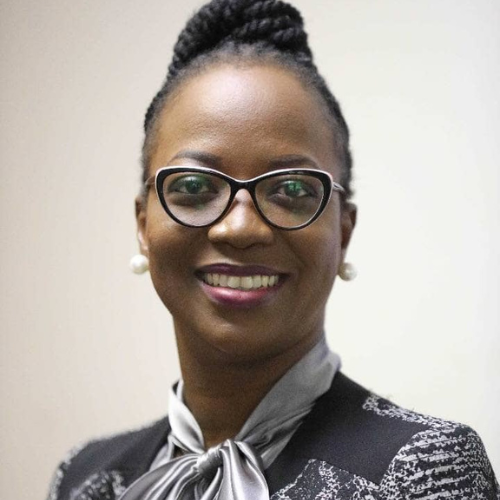
Maupe Ogun-Yusuf is a formidable presence in Nigerian broadcast journalism, holding her own in a space traditionally dominated by men. With years of experience anchoring flagship programmes like Sunrise Daily on Channels TV, she has built a reputation for tough, incisive questioning, composure under pressure, and the ability to extract clarity and accountability from even the most seasoned policymakers.
Her brilliance on-air, marked by poise and sharp analysis, sets her apart as a trusted and influential voice in national discourse.
Beyond her broadcasting skill, Ogun-Yusuf has cultivated a robust network among Nigeria’s political, policy, and civil society elite, allowing her to secure high-profile interviews and insights that shape public conversation. Her interviews do not simply report; they challenge assumptions, frame debates, and hold leaders accountable, making her a key agenda-setter in national politics.
She also serves as an inspiration and mentor for aspiring journalists, demonstrating that excellence, integrity, and fearlessness are not constrained by gender. Her career reflects not just personal achievement, but the ability to elevate the quality of broadcast journalism in Nigeria, influencing both public opinion and the next generation of media professionals.
Maupe Ogun-Yusuf holds a Master’s in International Relations from the University of East Anglia and has received multiple professional awards recognising her excellence in journalism.
6) Kadaria Ahmed (RadioNow 95.3 FM)
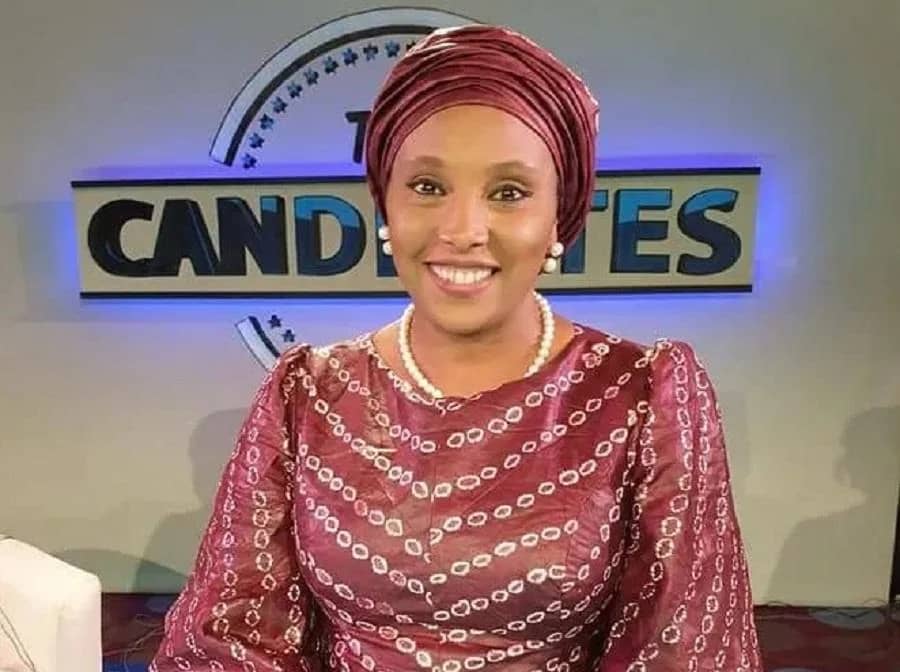
Kadaria Ahmed is one of Nigeria’s most globally respected broadcasters, blending incisive journalism with international credibility. A BBC veteran, her career began as a Senior Producer at BBC London working on flagship programmes like Focus on Africa and Network Africa, reporting from South Africa, Eritrea, and the UN, with work recognised in outlets like the Financial Times. Her M.A. in Television from Goldsmiths, University of London, and Chevening Scholar status further reinforce her authority and global perspective. That international experience positioned her at the centre of global news flows before returning to Nigeria to redefine broadcast journalism at home.
Back in Nigeria, she produced and anchored Straight Talk and The Core on Channels TV, platforms that interrogated national leaders and touched on high-stakes debates. She also moderated Nigeria’s presidential election debates and hosted multi-candidate town halls, helping to shape voter discourse ahead of major elections. Her international training and newsroom rigour set her apart, allowing her to anchor complex national debates with clarity, authority, and perspective.
In furtherance of her professional accomplishments, Kadaria launched Daria Media Ltd and its flagship outlet RadioNow 95.3 FM, a Lagos-based radio station that promotes factual, unbiased, and Nigerian-focused journalism.
Beyond her broadcast accomplishments, Kadaria has become a role model for younger broadcasters, demonstrating that excellence, integrity, and editorial courage are achievable at the highest levels. Her mentorship, advocacy, and professional example have inspired a new generation of female journalists to occupy spaces once dominated by men.
Through her media organisation, she continues to shape public discourse on governance, elections, and policy. Her combination of global experience, editorial independence, and visionary leadership makes her one of the most formidable voices in Nigerian media today.
7) Rufai Oseni (ARISE News)
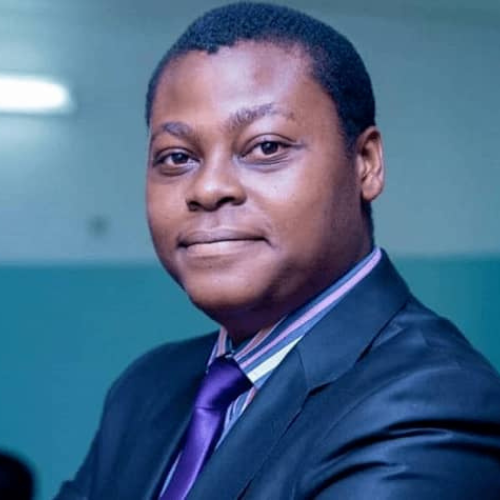
Known as “Ruffy The Fire” by his colleagues, Rufai Oseni is not your everyday journalist; his style is confrontational by design. His interviews often leave little room for evasion.
A strong member of the stellar cast on The Morning Show on ARISE News, Rufai’s interviews are no-holds-barred, cutting through spin and pretence, exposing truths that others might shy away from. When power sits down, Rufai stands up, commanding attention with a style that is as incisive as it is unflinching. His fearless, aggressive journalism makes him both loved and loathed, a rare distinction in the Nigerian broadcast landscape.
Rufai thrives in the grey areas of controversy, tackling issues that challenge the establishment and provoke national debate. Whether dissecting government policy, probing political actors, or engaging on social issues, he presses for clarity, forthrightness, accountability, and straightforwardness; he demands empirical facts in every conversation.
His audiences, particularly those sceptical of authority, see him as a champion of truth and accountability, a voice that refuses to compromise. Beyond the screen, Rufai is a mentor and trendsetter, whose fearless brand of journalism is now being embraced by a new wave of young Nigerian broadcasters. In an industry often constrained by editorial timidity and patronage, Rufai Oseni resists adaptation and remains unapologetically himself. And that is precisely what makes him unique.
Rufai has been recognized with awards such as Most Courageous TV Host, Most Engaging Journalist on Social Media, and others; indicators of both professional recognition and public resonance.
8) Seun Okinbaloye (Channels TV)
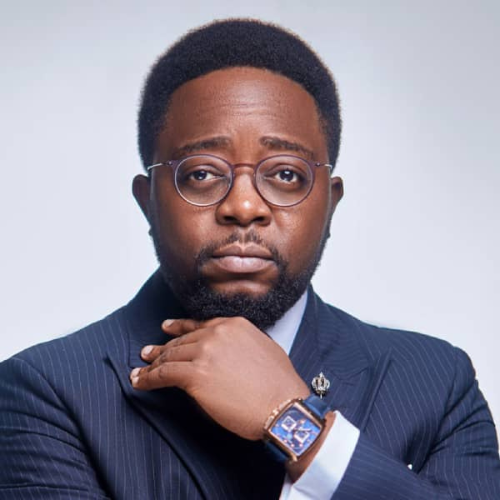
Seun Okinbaloye may not be the country’s most celebrated broadcaster, but in the arena of national political conversation, few have left a mark as significant as his: a rare all-rounder whose professionalism spans reporting, anchoring, and moderating.
Okinbaloye’s influence comes from his central role in political programming at Channels TV, particularly through Politics Today, a platform that tackles the full spectrum of Nigeria’s political issues. Tested across election-night coverages, debates, and town halls, he has repeatedly demonstrated an ability to shape national conversation, engaging audiences with insight, rigour, and consistency.
A graduate of Theatre Arts and Law, he brings the dramatic precision of a stage artist and the analytical rigour of a legal mind to every broadcast. His questioning has depth, nuance, and weight, capable of making governors, ministers, and policy elites uncomfortable without ever being overtly confrontational.
Beyond the studio, Okinbaloye is a reporter’s reporter, sent into challenging terrains, breaking stories, and gathering insights that anchor his programmes in authenticity. His on-screen presence is magnetic, blending wit, subtle humour, and incisive analysis, ensuring that audiences are both engaged and informed. Whether drilling political actors or guiding discussions with civil society leaders, he brings clarity, balance, and authority, making Politics Today an essential watch for anyone who wants to understand the pulse of Nigeria.
In a decade of strong voices, Seun Okinbaloye has earned the credibility and trust of Nigeria’s movers and shakers, making him a trusted mediator between power and the public. His name alone has now become a brand in its own right, synonymous with professionalism, incisive questioning, and shaping the national conversation.
9) Babajide Kolade-Otitoju (TVC)
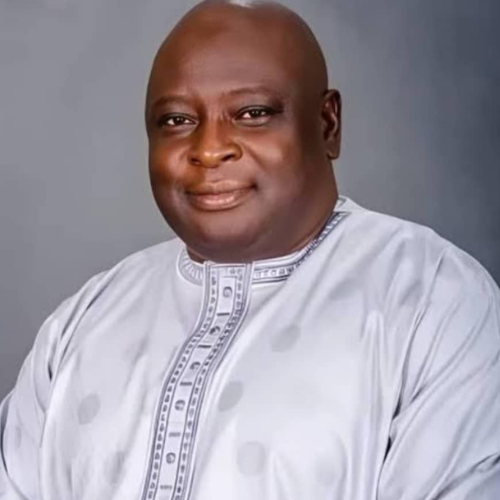
Babajide Kolade-Otitoju isn’t just an anchor; he is the Director of News at TVC, where he oversees news coverage, editorial direction, and national affairs programming. He is the driving force behind Journalists‘ Hangout on TVC, transforming it into the station’s strongest current affairs programme and one of the most-watched shows in the Nigerian broadcast landscape. Under his leadership, Journalists’ Hangout and other current affairs outputs have become influential spaces for political and policy interrogation.
His decades of impactful news analysis and news leadership place him among the few Nigerian broadcasters whose voice and editorial judgement help determine what issues rise to national prominence. His ability to dissect complex political, social, and governance issues with clarity, authority, and insight has endeared him to policymakers, civil society actors, and engaged citizens alike.
In spite of working in a media outfit generally perceived to be politically partisan, BKO, as he is fondly called, has maintained unwavering integrity, demonstrating that sharp analysis and ethical journalism supersede partisanship. His calm, measured, yet probing style ensures that leaders are held accountable, while audiences trust his judgement and perspective.
Beyond TVC, BKO is a mentor and inspiration for younger broadcasters, showing that professionalism, analytical rigour, and credibility are essential to shaping national conversations. His career reflects a rare blend of influence, resilience, and impact, making him a cornerstone of Nigerian broadcast journalism and a defining voice in national discourse.
10) Chamberlain Usoh (Channels TV)
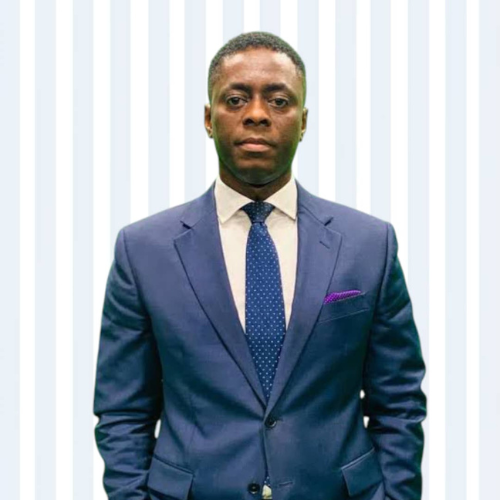
Chamberlain Usoh is one of Nigeria’s most respected broadcast journalists, combining world-class training and decades of experience with incisive on-air presence. A graduate in Mass Communication with a Public Policy focus from the University of Lagos and advanced media training at the Leadership Institute (USA) and Thomson Reuters Foundation (UK), Usoh brings both intellectual depth and technical expertise to his work.
Prior to his long tenure at Channels Television, he honed his skills internationally, including at ITN News Channel 4 in London, and across multiple major Nigerian media houses, giving him a broad and seasoned perspective.
Known for his analytical, composed, and incisive interviews, Usoh has helped make Sunrise Daily onChannels TV one of Nigeria’s most influential news programmes, shaping public understanding of politics, policy, and national affairs. His authoritative presence, combined with a calm and thoughtful style, enables him to draw out insight from guests without theatrics, making serious conversations accessible and engaging for diverse audiences.
Usoh’s work has earned him multiple awards, including the Nigeria Media Merit Award (NMMA) TV Programme Presenter of the Year and the NBA Media Merit Award for Excellence, underscoring his professional excellence and impact.
In addition to his on-air role, Usoh’s influence has grown through leadership positions, including his appointment as Editor/Station Manager for Channels TV Abuja and Northern Nigeria, a role that reflects both journalistic authority and editorial trust. His career reflects a blend of global experience, national credibility, and mentorship, making him a key figure in shaping how news and public affairs are discussed at the highest levels in Nigeria.
As The Naija Broadcastar spotlights the broadcast journalists who have set the benchmark over the past decade, it is clear these ten stand apart, commanding respect, driving debates, and redefining the standards of impactful storytelling. They are the voices that inform, challenge, and provoke thought, shaping Nigeria’s national conversation in ways that resonate far and wide.
While other veterans continue to lead with distinction and rising stars carve their paths, these ten remain, arguably, the most influential voices in the game today: the benchmarks, the gold standard. Their work reminds us that journalism, at its best, does more than report; it shapes the narrative, holds power to account, and inspires the next generation. TNB